The Mood-Changing Power Of Paint In Interior Design

May 27, 2025

How Paint Colors Influence Emotional Responses In Your Space

There’s something fascinating about the way paint can completely transform a space. It goes far beyond aesthetics or matching the drapes—color has a direct line to our emotions. One room, four walls, a ceiling… and yet, change the color, and suddenly everything feels different. The shift might be subtle or dramatic, but it’s real. Paint has the power to lift us up, calm us down, or even get us moving when we need a boost. Interior design isn’t just about structure and furniture—it’s about how a space makes you feel, and color is one of the most effective tools in the emotional toolbox.


How Color Shapes Energy In A Room


Walk into a room bathed in warm yellow or a sun-kissed terracotta tone, and there's a good chance you’ll feel a bit brighter yourself. These warmer hues tend to stimulate energy and encourage a sense of connection. They often bring a feeling of warmth and light that can make social spaces like kitchens or living rooms feel lively and welcoming.


On the flip side, cool tones—think deep blues, soft lavenders, and muted greens—tend to quiet the atmosphere. These colors absorb the visual “noise,” helping spaces feel more restful and collected. Bedrooms and reading nooks often benefit from this kind of palette, giving the mind a place to slow down and settle in without the chaos of overstimulation.


But it’s not just about cool versus warm. The depth and saturation of a color play just as big a role. A pale robin’s egg blue might feel fresh and airy, while a navy version of the same hue becomes grounded and contemplative. Bright, saturated shades tend to add vibrancy and urgency. Softer, more muted tones often ease a space into something more peaceful. Paint creates energy without noise—when chosen well, it sets the mood before a single piece of furniture is even placed.


Creating Focus Through Color


Concentration might not be the first thing that comes to mind when picking paint colors, but it should be. Certain shades help with focus and clarity in surprising ways. For example, clean, mid-tone greens often evoke feelings of balance and harmony. They're not so stimulating that they distract, and not so calming that they lull you into daydreaming. That makes them perfect for home offices, study areas, or creative corners.


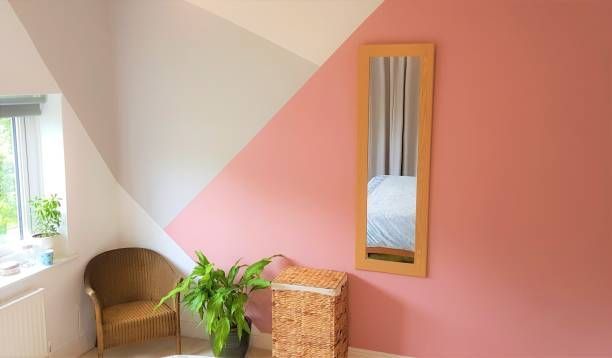
Neutrals, especially those on the cooler side of the spectrum, can also help cut out distraction. Grays with blue undertones or soft taupes often create an environment where your mind can stay on track without being overstimulated. That said, too much of a neutral palette can make a space feel flat. This is where accent colors come in handy—a bold stripe, a colored ceiling, or even a brightly painted doorframe can inject just enough energy to keep the brain alert without overwhelming the senses.


Paint isn’t just a backdrop—it can shape how your mind moves within a space. And when you're trying to stay productive or motivated, choosing the right color becomes less about style and more about function. Even small, unexpected choices—like painting the inside of a closet door or the back of a bookshelf—can spark creativity and enhance focus.


Encouraging Rest And Relaxation


When it's time to unwind, the walls around us can have a surprising influence. Paint that leans into soft, cool tones—like seafoam, misty gray, or even a powdery mauve—can send subtle signals to the brain that it's okay to breathe out and let go. These colors don't demand attention. Instead, they create a visual quiet that lets the nervous system decompress.


This kind of intentional coloring isn’t just for bedrooms, though they’re often a natural fit. Even a bathroom painted in a gentle hue can turn the space into more of a spa-like retreat. The same goes for a calm-toned dining room where meals aren’t just eaten but savored. When a room wraps you in softness and serenity, it becomes a refuge, not just a place to pass through.


Texture and finish play a supporting role here too. Matte finishes tend to feel softer and more intimate, while glossy or semi-gloss paints reflect more light, often creating a feeling of alertness. For a space designed to soothe, something with low sheen in a tranquil shade can make a big difference. Add in the subtle lighting of a lamp or candle, and the entire space feels like it’s gently encouraging you to exhale.


The Emotional Tone Of A Home


Paint does more than shift the feeling of a single room—it helps tie a whole home together emotionally. One well-planned color palette flowing from space to space can guide mood transitions from energized mornings to cozy evenings. Maybe the kitchen radiates cheerfulness with a warm cream or muted coral, while the hallway leads into cooler, quieter tones that gradually invite calm.


Even the ceiling—often overlooked—can be used to influence emotion. A soft blue overhead can give the illusion of a higher, more expansive space, lending a sense of openness. A darker ceiling in a moody charcoal or rich brown can bring a room inward, creating a cozy, grounded environment.


The emotional impact of paint isn’t about strict rules or color psychology charts—it’s about paying attention to how color makes you feel. Everyone responds a little differently, but the bottom line is that color changes mood, period. And when you treat paint as part of your emotional design strategy, you create more than just a beautiful room—you create a space that genuinely supports the way you live and feel. It’s a shift that’s not always loud or obvious, but once you notice it, you won’t want to live without it.


At Clean Surface Painting, we’ve seen firsthand how much color matters. It’s not just about what looks good—it’s about what feels right. Whether you're hoping to brighten a living area, create a peaceful retreat, or carve out a space for focus and clarity, we know how to use color to help set the emotional tone you’re after. If you’re ready to explore how paint can transform your home on a deeper level, we’d love to talk about your vision. Let’s bring it to life, one room at a time. Contact Clean Surface Painting today and let’s start turning color into atmosphere.

Recent Posts
By Edel Cornejo • September 9, 2026
Is Flat Paint the Best Choice for Bedroom Walls?
By Edel Cornejo • September 9, 2026
How Long Does Exterior Paint Last in Texas? Exterior paint does more than improve the appearance of a home. It also creates a protective layer against heat, moisture, sunlight, dirt, and changing weather conditions. In Texas, these factors can affect how quickly an exterior coating wears down. In general, a professionally applied exterior paint job can last around 5 to 10 years, although the exact lifespan depends on the surface, paint quality, preparation, exposure, and maintenance. Homes exposed to intense sunlight and severe weather may require repainting sooner. For homeowners planning an upgrade, professional exterior painting services can help ensure the right materials and application methods are used for long-lasting results. What Affects Exterior Paint Longevity in Texas? Texas homes experience demanding outdoor conditions throughout the year. High temperatures, strong sunlight, humidity, rain, and occasional severe weather can all place stress on exterior coatings. Understanding these factors can help homeowners choose suitable materials and recognize when maintenance or repainting may be necessary. Texas Heat and UV Exposure Texas receives significant sunlight throughout the year, and prolonged ultraviolet exposure can gradually affect exterior paint. UV rays can break down pigments and binders, leading to fading, chalking, and loss of surface protection. Dark and highly saturated colors may show fading more noticeably, particularly on surfaces that receive direct sunlight for long periods. Choosing exterior paint designed for strong sun exposure can help improve color retention and durability. Humidity and Heavy Rain Moisture is another important factor affecting exterior paint. Humid conditions can contribute to mildew growth, while frequent or heavy rainfall can expose small imperfections in the coating and underlying surface. Properly sealed surfaces and moisture-resistant exterior coatings can provide better protection. Homeowners should also address drainage problems, leaks, and damaged caulking because continued moisture exposure can shorten the lifespan of a paint job. Paint Quality and Surface Preparation The quality of the paint is only one part of achieving a durable finish. Proper preparation is equally important. Dirt, loose paint, cracks, mildew, and damaged surfaces should be addressed before new paint is applied. Professional preparation helps create a clean and stable surface that allows the coating to adhere properly. Using suitable primers and high-quality exterior products can also reduce the likelihood of premature deterioration. What Are the Signs Exterior Paint Needs Replacing? Exterior paint rarely fails overnight. Instead, homeowners can often identify gradual warning signs that indicate the coating is reaching the end of its useful life. Regularly inspecting exterior walls, trim, doors, and other painted surfaces can help identify these problems early and determine whether touch-ups or a complete repaint is more appropriate. Fading and Discoloration Noticeable fading is one of the easiest signs to identify. When paint loses its original color unevenly or appears significantly lighter, prolonged UV exposure may have affected the coating. Fading does not always mean immediate repainting is required, but widespread discoloration can indicate that the protective qualities of the coating are declining. Peeling and Cracking Peeling, flaking, and cracking should not be ignored. These problems can allow moisture to reach the underlying material and potentially contribute to additional surface deterioration. The cause may include poor preparation, moisture intrusion, incompatible coatings, or normal aging. Identifying the underlying issue before repainting is important for achieving better results. Chalking and Surface Damage Chalking occurs when the paint surface develops a powdery residue as the coating breaks down. Mild chalking can sometimes be addressed during preparation, but extensive chalking may indicate that the exterior needs renewed protection. Other concerns include bubbling, blistering, exposed surfaces, and deteriorating caulk around windows and doors. How Can Homeowners Make Exterior Paint Last Longer? A durable paint job still requires routine care. Simple maintenance can help homeowners identify problems before they become more expensive and protect the appearance of painted surfaces. The goal is not simply to delay repainting but to maintain the exterior so the paint and underlying materials remain in better condition for as long as possible. Regular Cleaning and Inspections Exterior surfaces should be inspected periodically for dirt buildup, mildew, cracks, peeling, and other visible problems. Gentle cleaning can remove contaminants that may gradually affect the finish. Inspections are particularly useful after periods of heavy rain, extreme heat, or severe weather. Prompt Repairs and Touch-Ups Small areas of damaged paint should be addressed before they spread. Touch-ups can be useful for limited damage, especially when the surrounding coating remains in good condition. However, repeated touch-ups may not be suitable when fading, peeling, or deterioration is widespread. In those situations, a complete repaint may provide better protection. Professional Painting and Proper Preparation Professional painting involves more than applying a fresh coat of color. Surface cleaning, scraping, sanding, repairs, priming, caulking, and correct application techniques can all influence the final result. Experienced professionals can also help homeowners select products that are appropriate for the property's surface and local weather conditions. When Should You Hire Exterior Painting Services? Knowing when to contact a professional can help prevent minor exterior problems from becoming larger maintenance concerns. Homeowners should consider professional assistance when paint shows widespread fading, peeling, cracking, chalking, or other signs of deterioration. Professional assessment can also be helpful when the existing coating has multiple layers of damaged or incompatible paint. Choosing Experienced Exterior Painting Contractors Fort Worth Homeowners should look for contractors with experience working on exterior residential projects and an understanding of local weather conditions. Before choosing a company, review its preparation process, materials, workmanship standards, and project scope. Experienced exterior paint contractors can also help determine whether the existing surface needs repairs or primer before new paint is applied. Finding Reliable Exterior Painters Near Me When searching for exterior painters near me, homeowners should compare more than price. Look for clear estimates, relevant experience, communication, preparation details, and information about the products being used. A reliable contractor should explain the work involved and provide realistic expectations regarding durability and maintenance. How Do You Choose the Right Exterior Painting Company? Selecting the right painting company can have a significant effect on both appearance and long-term durability. Homeowners should evaluate the contractor's experience, preparation methods, product recommendations, and approach to customer service. A professional company should be willing to explain how the proposed process addresses the property's specific exterior conditions. Experience, Materials, and Workmanship Ask about the company's experience with exterior projects, surface preparation techniques, primers, paints, and application methods. Quality workmanship can help reduce common problems such as uneven coverage, premature peeling, and inconsistent finishes. It is also useful to confirm that the recommended products are designed for exterior use and suitable for the property's surface. Understanding the Painting Process and Warranty Before work begins, homeowners should understand what is included in the project. This may include preparation, repairs, priming, painting, cleanup, and final inspection. A written estimate and clear warranty information can also help homeowners understand their responsibilities and what protection is provided after the project is completed.  Frequently Asked Questions How often should a Texas home be repainted? Most exterior paint jobs can last approximately 5 to 10 years, but the actual lifespan varies. Sun exposure, weather conditions, surface material, paint quality, preparation, and maintenance can all affect when repainting becomes necessary. Does Texas heat make exterior paint fade faster? Yes. Strong sunlight and ultraviolet exposure can accelerate fading and contribute to the breakdown of exterior coatings. Selecting quality exterior paint and appropriate colors can help improve long-term appearance. What type of paint lasts longest in Texas? High-quality exterior paints formulated for UV exposure, temperature changes, and moisture can provide strong durability. The best choice also depends on the home's exterior material and existing coating. Can professional painting extend paint lifespan? Yes. Professional preparation and application can contribute to better adhesion, coverage, and protection. Clean Surface Painting can help homeowners address surface preparation and select suitable exterior painting solutions. Visit Clean Surface Painting to learn more about its services. What is the best time to paint a home's exterior in Texas? The ideal timing depends on local temperatures, humidity, precipitation, and the specific project. Generally, moderate and relatively dry weather provides better conditions for exterior painting than periods of extreme heat or heavy rain. Protect Your Home With Durable Exterior Painting Services Exterior paint in Texas must withstand challenging environmental conditions, including intense sunlight, heat, humidity, and rain. While a quality paint job can last for years, proper preparation, suitable materials, professional application, and routine maintenance all contribute to better durability. Homeowners should monitor their exterior for fading, peeling, cracking, chalking, and moisture-related problems. Addressing these signs early can help protect the underlying surface and maintain the home's appearance. When the time comes for a complete repaint, choosing experienced professionals can make the process more reliable and help maximize the lifespan of the new coating.
By Edel Cornejo • August 12, 2026
How Professional Cabinet Painting Can Transform Your Kitchen

Contact Us

Get your free painting estimate today and give your home or business a fresh new look.

Get A Free Estimate